
EQCTRL Gateway
Execution Method and Tooling for Source-Side Product Data Delivery
EQCTRL Gateway supports real cross-border product data delivery.
Within an organization-controlled environment, it connects external requirements with ERP, MES, PLM, supplier documents, test materials and operational records to create product data outputs with clear sources, traceable evidence, controlled disclosure and maintainable update paths.
Gateway does not replace existing enterprise systems and is not an independent DPP or destination-side platform.
It is the execution method and tooling used by EQCTRL to support source-side product data delivery.
Product Data Delivery Cannot Begin Only at the Destination
A platform, customer system or application can receive and use information, but it cannot replace the source organization in determining:
which product the information relates to;
where the relevant source record sits;
what evidence supports the information;
who is responsible for confirmation and update;
what may be disclosed;
which changes require reconfirmation.
EQCTRL Gateway applies the following approach:
Translate external requirements into defined data and evidence tasks
Map those tasks to real products and source records
Organize data, evidence, responsibility and disclosure boundaries together
Produce outputs that can be handed over, maintained and reused
This supports the immediate delivery while creating a reusable source-side foundation for future customers, platforms and market requirements.
Deployment and Operating Position
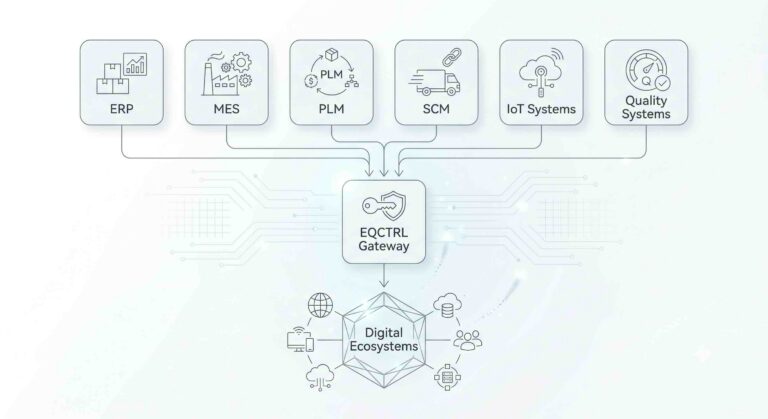
Gateway does not change the responsibilities of existing systems.
The source organization continues to control data access, review, approval and external disclosure.
Product Data Delivery Process
01 Requirement Interpretation
Define the recipient, purpose, applicable product, required data, granularity, evidence and delivery conditions.
02 Product Scope and Source Identification
Confirm the product, model, version, batch or relevant state and locate the corresponding authoritative sources.
03 Evidence, Responsibility and Disclosure Boundaries
Connect supplier documents, test materials, calculation bases and operational records while defining responsibilities and authorization boundaries.
04 Structured Representation and Handover Preparation
Create a structured delivery output that can be consumed by the relevant customer, platform or professional organization.
05 Delivery, Update and Remediation
Complete the agreed handover and establish mechanisms for update, expiry review, correction and reuse.


What Gateway Supports in Practice
Delivery Requirement Interpretation
Convert customer templates, platform fields and applicable requirements into executable tasks.
Product Scope Confirmation
Define the relevant product, model, version, batch, state and applicable time period.
Source Field and Authoritative Record Identification
Determine which system, operational record, supplier or responsible function supports each data element.
Supplier Evidence and Responsibility Mapping
Connect upstream declarations, documents, test materials and other evidence to the relevant product.
Disclosure and Authorized Access Boundaries
Distinguish public information, purpose-specific information and underlying evidence requiring controlled access.
Delivery Format and Interface Preparation
Prepare files, structured data, interface data or other digital representations required by the recipient.
Update, Expiry and Reuse Management
Identify affected information and update delivery outputs when products, suppliers, evidence or requirements change.
One Source-Side Foundation, Multiple Delivery Requirements
The same source-side product facts, evidence and responsibility foundation can support different purpose-specific outputs.
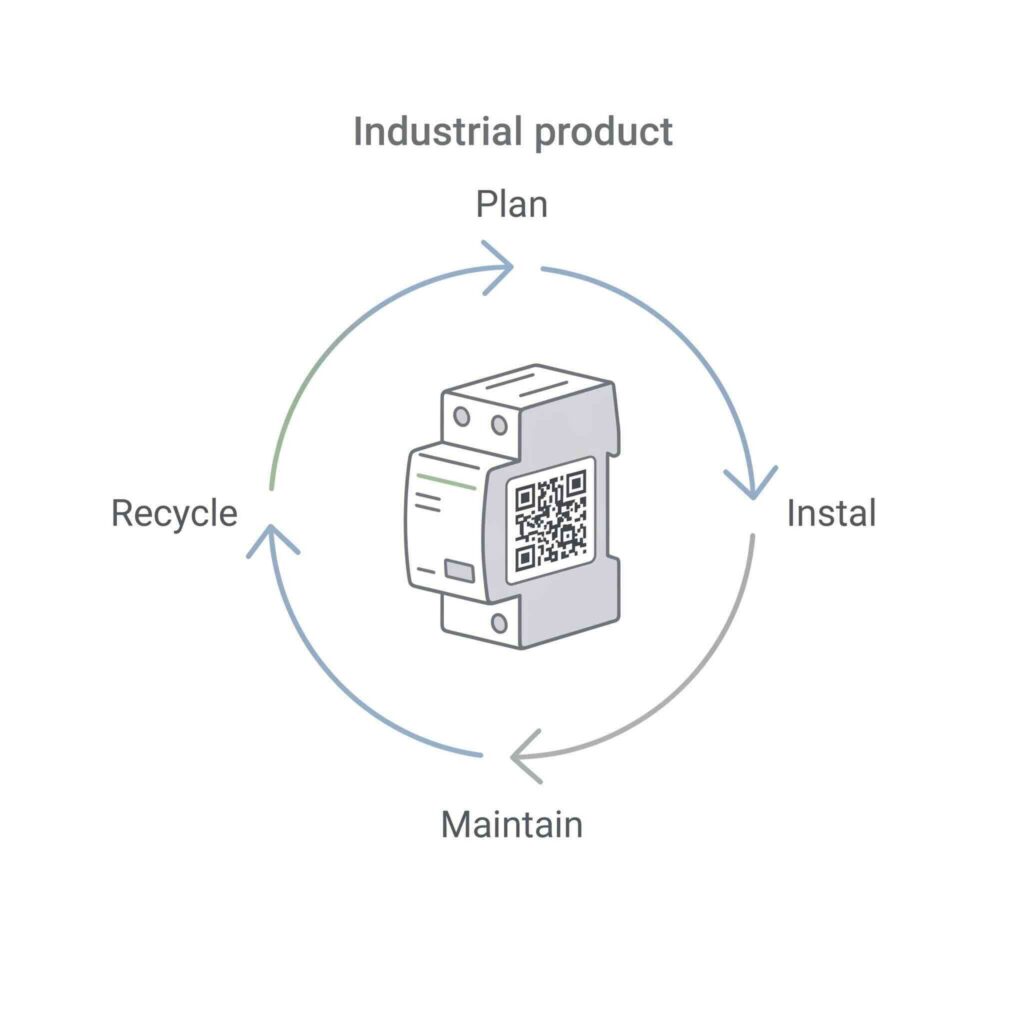
DPP and Battery Passport
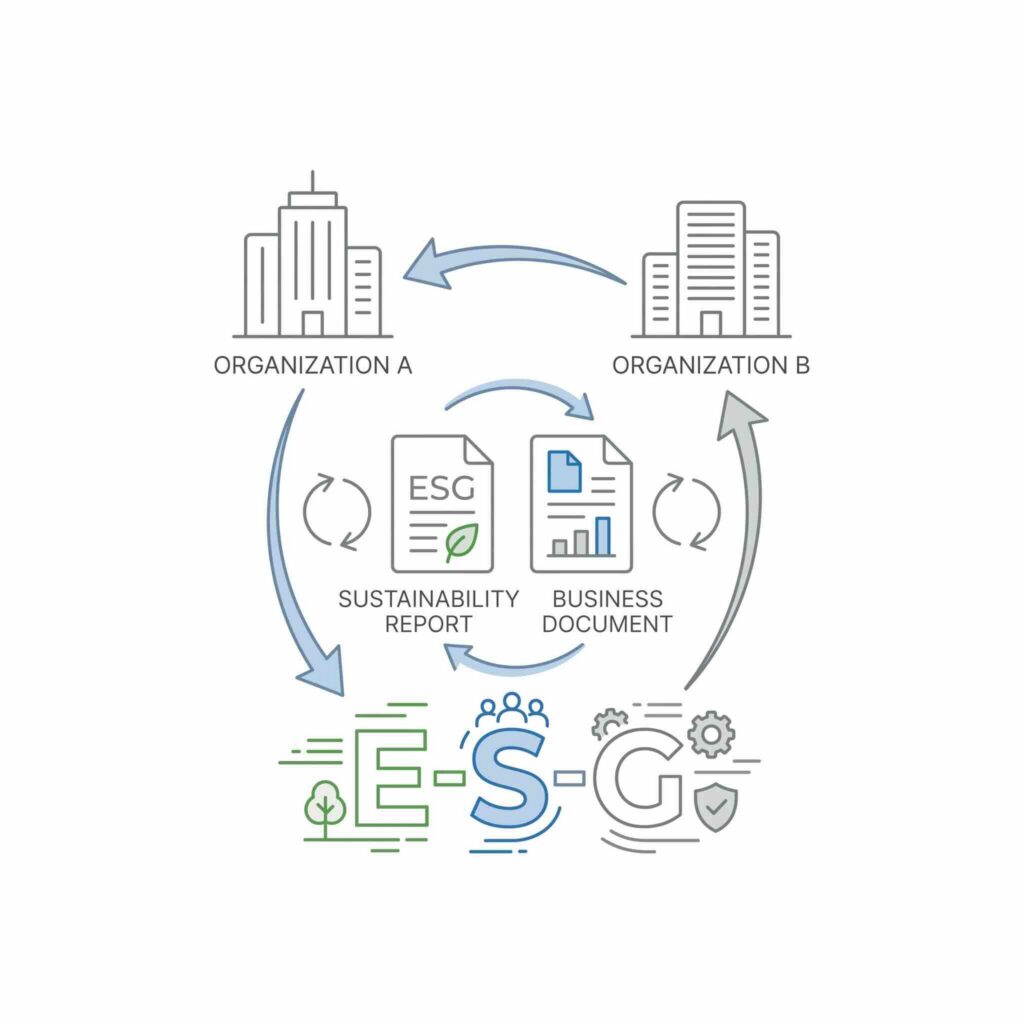
Carbon and Sustainability Information
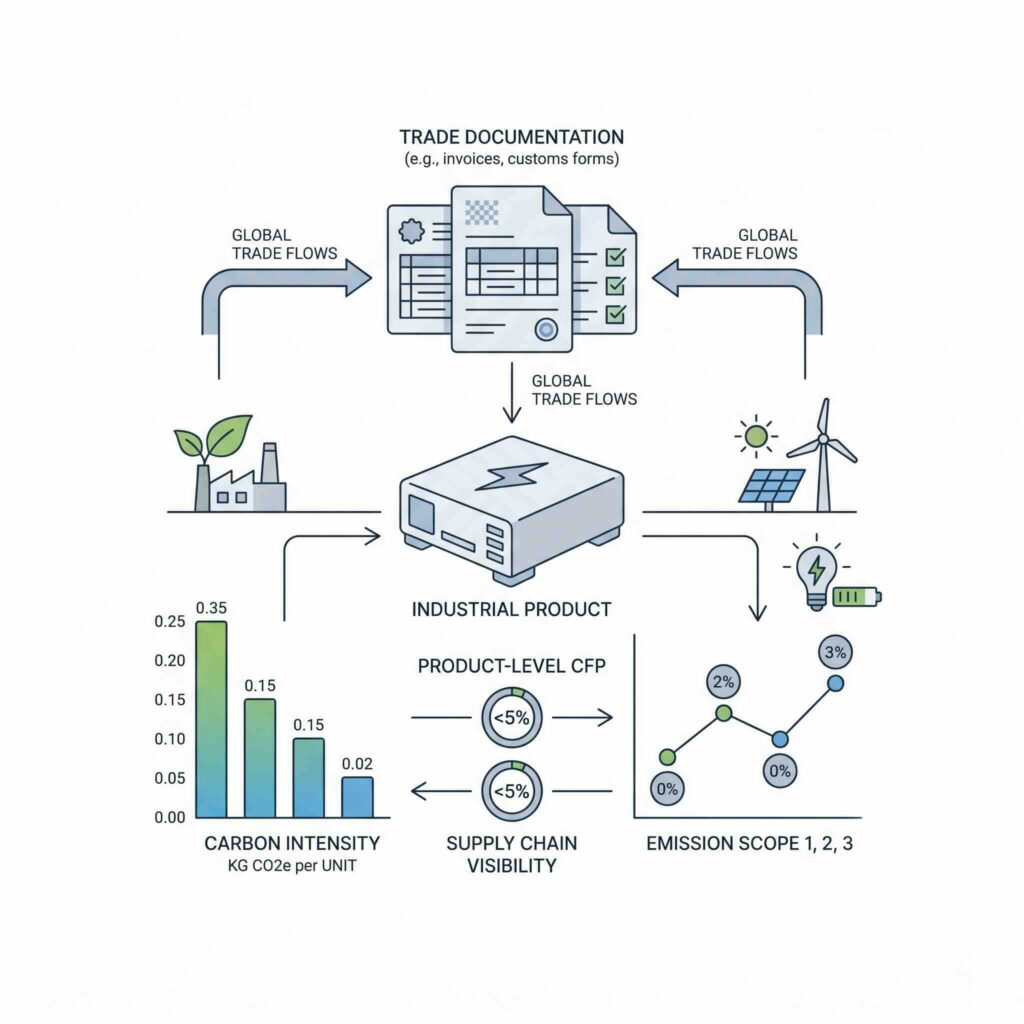
Importer and Economic Operator Product Data
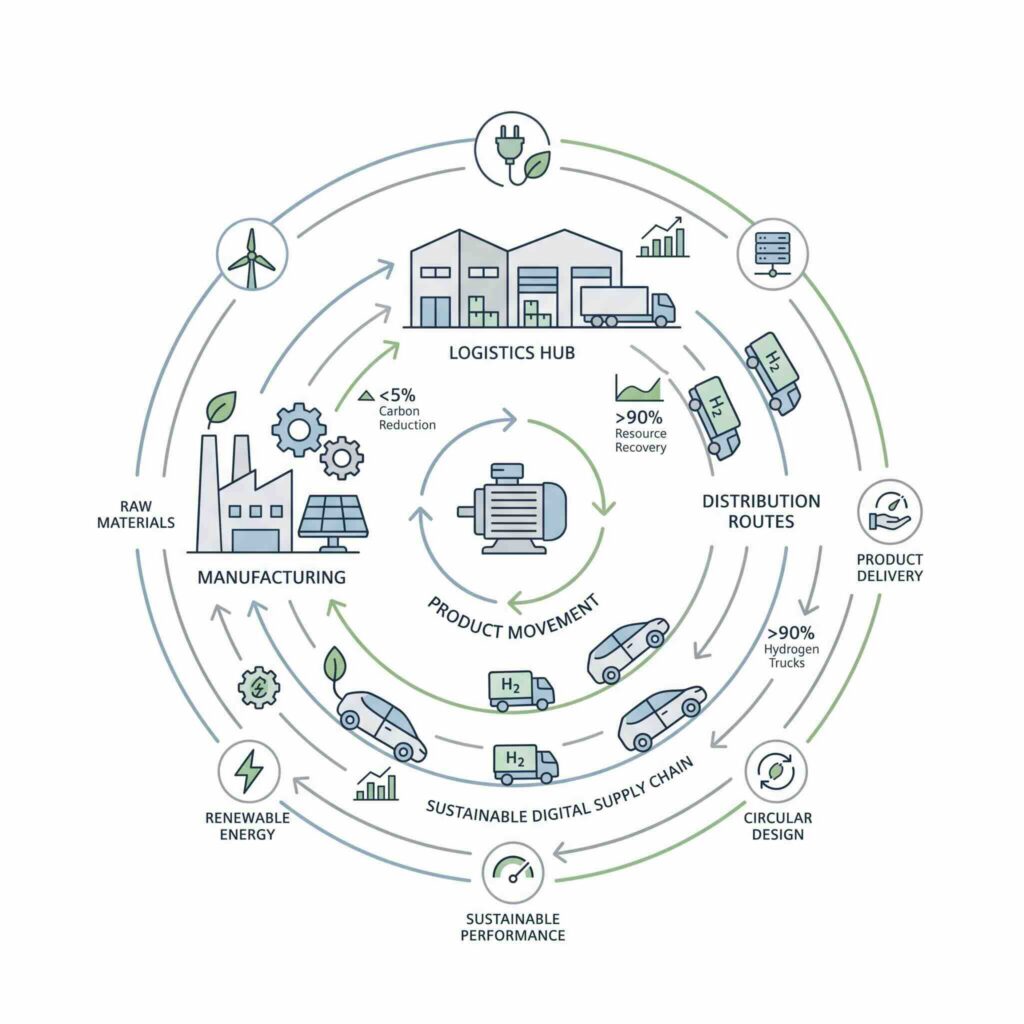
Supply Chain Due Diligence
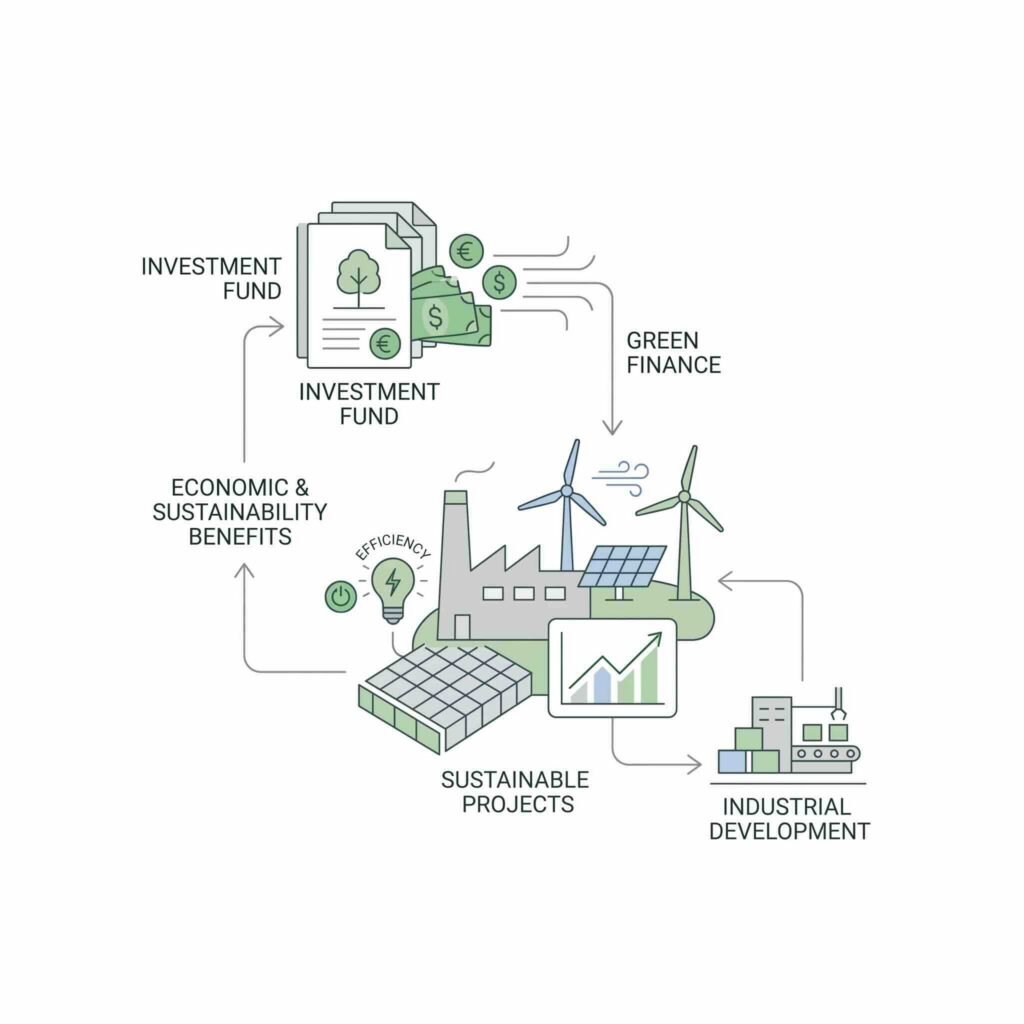
Certification, Testing and Audit
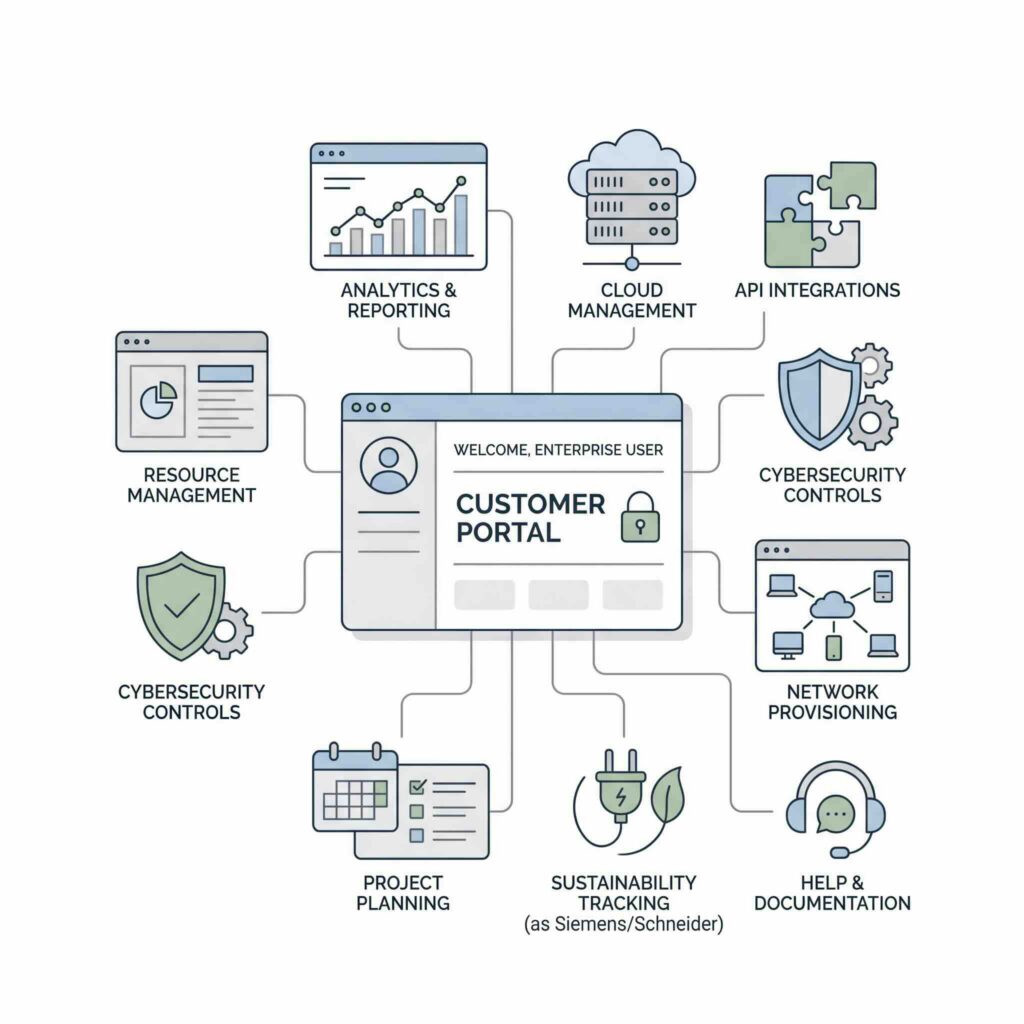
International Customer Product Data Packages
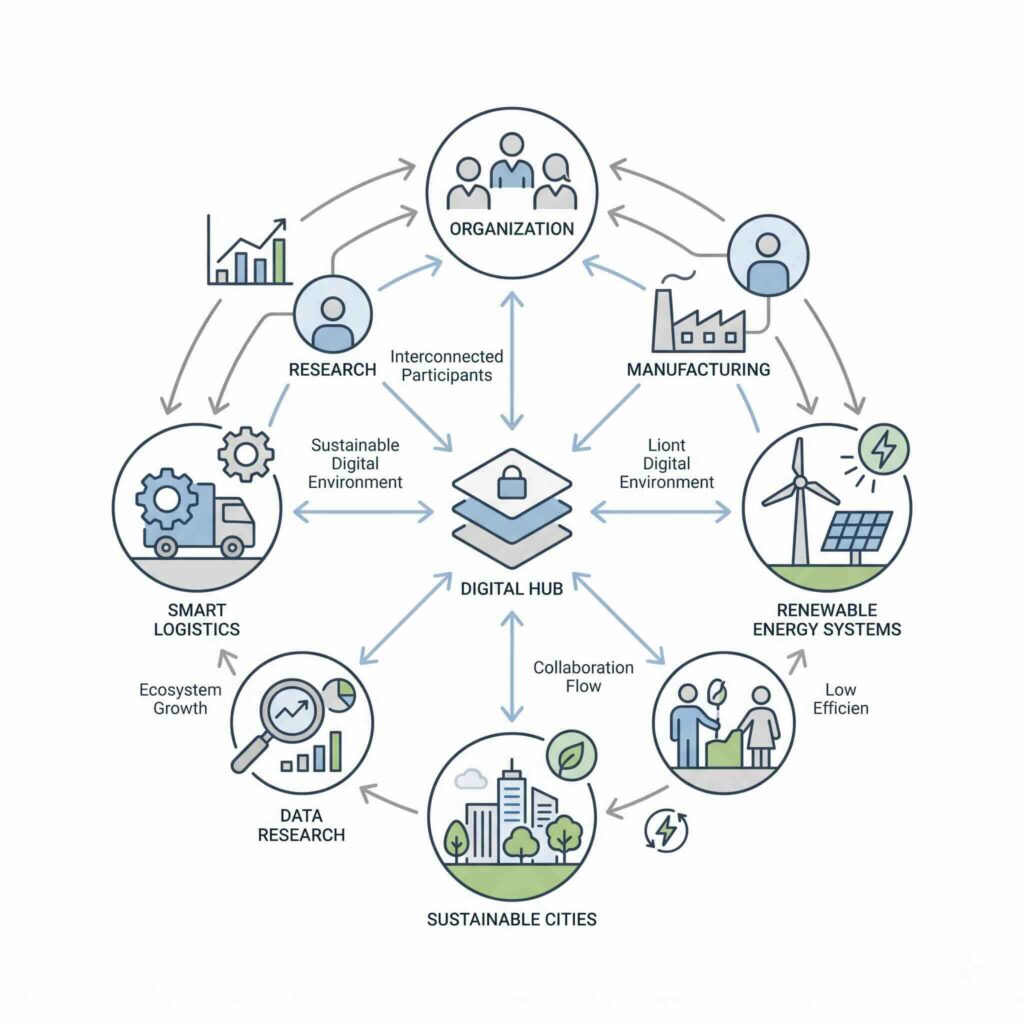
Industry and Customer Platforms
Start with a Real Requirement
A project should begin with an existing product data requirement and an identifiable product, rather than with the construction of a general-purpose platform.
EQCTRL then defines the product scope, source information, evidence foundation, participating actors, disclosure boundaries and practical delivery path.
Existing Enterprise Systems Remain in Place
The source organization retains:
control of source-side data;
ownership of enterprise systems;
review and approval authority;
responsibility for its own product statements and business decisions.
Gateway does not require the organization to:
replace its ERP;
modify the core MES environment;
rebuild the PLM architecture;
centralize all underlying operational data by default.
Controlled Disclosure
EQCTRL Gateway supports:
defining data scope according to a specific purpose;
delivering only the information required for that purpose;
applying authorized access to sensitive materials;
keeping underlying information within existing control boundaries where appropriate.
Cross-border delivery does not require unrestricted copying or disclosure of all underlying enterprise data.
Platform and Technology Neutrality
No single technology is treated as the sole source of product data trust.
Gateway is not dependent on:
a specific ERP, MES or PLM vendor;
a specific cloud platform;
a specific database;
a single customer or DPP platform;
a single credential, interface or data-carrier format.
Continuous Development Within One Business Focus
As public standards and Bita Trust research and methods evolve, Gateway will continue to strengthen its handling of product state, temporal validity, evidence relationships and change impact.